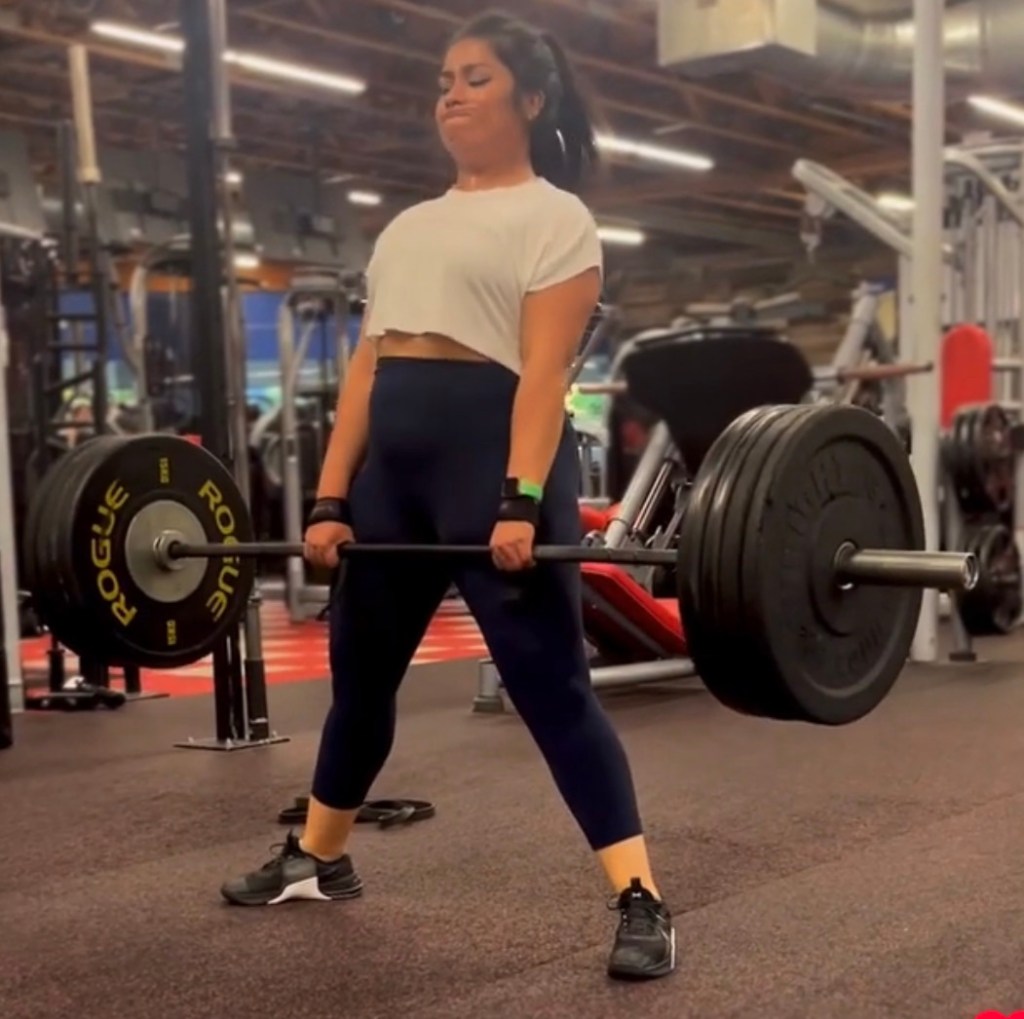
Master the Hip Hinge: The Key to Safe, Powerful Deadlifts (Beginner’s Guide)
Introduction
If you’re looking to build serious strength, boost your metabolism, and move better in everyday life, few exercises beat the deadlift. This powerhouse lift targets your entire posterior chain—think hamstrings, glutes, lower and upper back while engaging your core, grip, and even your traps. It delivers functional strength for picking up heavy boxes, groceries, or kids without strain. Many lifters report feeling more explosive, confident, and even a natural hormone boost (like increased testosterone and growth hormone response) from consistent deadlifting.
But here’s the catch: deadlifts get a bad rap for back pain and for good reason when form goes wrong. The truth is, most back injuries from deadlifts stem from poor technique, not the lift itself. The single biggest game-changer? Mastering the hip hinge pattern first, before ever loading heavy weight. Nail this foundational movement, and deadlifts transform from intimidating to one of the most rewarding lifts in your routine. Once the hinge clicks, deadlifts go from scary to addictive let’s get you there safely.
What Is the Hip Hinge?
The hip hinge is a simple yet powerful movement pattern where you push your hips straight back while keeping a neutral spine (natural curves intact no rounding or overarching). Your knees bend only slightly, and the load primarily targets your hamstrings and glutes, not your lower back.
Think of it this way: in a squat, you drop your butt down (more knee bend, vertical torso). In a hip hinge, you send your butt back (minimal knee bend, torso leans forward). This difference is crucial mixing them up is a common cause of back strain.
Why does it matter? The hip hinge is the foundation for conventional deadlifts, Romanian deadlifts (RDLs), kettlebell swings, good mornings, and even basic daily actions like bending to tie shoes or lift laundry. Get it right, and you protect your spine while maximizing power from your strongest muscles. Get it wrong, and you’re asking for trouble. Safety starts here.
Core / Main Variations
• Conventional Deadlift (standard barbell pull from floor, hip-width stance)
• Sumo Deadlift (wide stance, hands inside knees)
• Trap Bar Deadlift (also called hex bar; neutral grip, often more quad-dominant)
• Romanian Deadlift (RDL) (bar starts at hips, emphasis on hamstring stretch)
• Stiff-Leg Deadlift (minimal knee bend, straighter legs for hamstring focus)
• Snatch-Grip Deadlift (extra-wide grip like a snatch setup)
• Clean Deadlift (similar to conventional but with explosive pull for Olympic lifts)
Range-of-Motion Variations
• Deficit Deadlift (stand on plates/block for increased ROM from floor)
• Sumo Seated Deadlift
• Rack Pull / Block Pull (bar starts at knee or mid-shin height for partial ROM/overload)
Unilateral / Single-Leg Variations
• Single-Leg Deadlift (one leg planted, other extended back; often with dumbbell/kettlebell)
• Single-Leg Romanian Drop Catch Deadlift (RDL version on one leg)
• B-Stance Deadlift (staggered stance, rear foot lightly touching for balance)
• Single-Arm Deadlift (one dumbbell/kettlebell, anti-rotation core work)
Equipment / Implement Variations
• Dumbbell Deadlift (conventional or Romanian style with dumbbells)
• Kettlebell Deadlift (single or double kettlebell from floor)
• Landmine Deadlift (barbell in landmine setup, often for RDL variation)
• Axle Bar Deadlift (thick bar for grip challenge)
• Fat Bar / Axle Deadlift (similar thick-bar grip focus)
• Suitcase Deadlift (one-sided hold, like carrying luggage)
• Zercher Deadlift (bar cradled in elbow crooks)
• Jefferson Deadlift (straddle bar between legs, one foot forward/back)
Tempo / Specialty Variations
• Tempo Deadlift (slow eccentric or controlled phases)
• Constant Tension RDL (no full lockout, continuous tension)
• Touch-and-Go Deadlift (no full reset between reps)
• Banded Deadlift (bands add resistance at top)
• Chain Deadlift (chains for progressive overload/accommodating resistance)
• Reverse Band Deadlift (bands assist at bottom)
Strongman / Functional / Odd Variations
• Car Deadlift (lifting handles attached to car for strongman)
• Dorian Deadlift (named after Dorian Yates; often high-handle trap bar or partial)
• Sweeping Deadlift (bar path arcs outward slightly)
• Farmer’s Carry Deadlift (or similar loaded carry starts)
Beginner / Home / Minimal Equipment Variations
• Kettlebell Block Deadlift (elevated start)
• Countertop Hinge Deadlift (using surface for feedback)
• Banded Pull-Through (cable/band hinge variation)
 Gonzo Strength