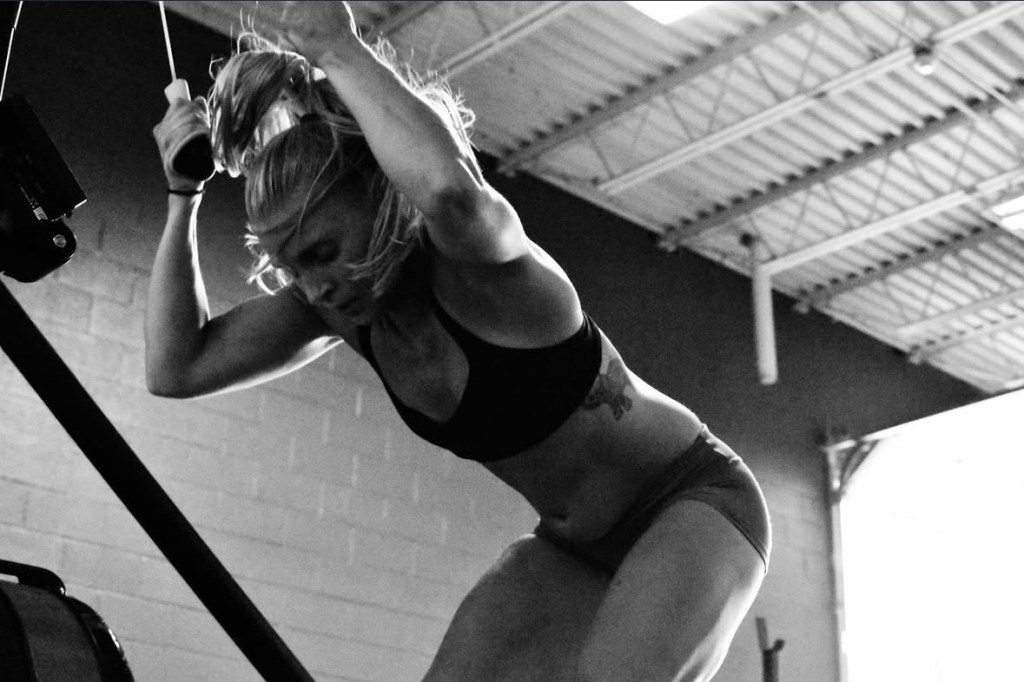
Hey folks, Coach Marc here from GonzoStrength.com, coming at you from sunny Saint Johns, Florida. While we might not have snowy slopes, that doesn’t stop us from crushing workouts that build serious strength and endurance. Today, we’re diving deep into the Concept2 SkiErg – a beast of a machine that’s transformed my training and can do the same for yours. Whether you’re a CrossFit enthusiast, a cardio junkie, or just looking to level up your fitness game, this guide covers everything from setup and technique to benefits – along with a whopping 21 workouts to keep things fresh. Let’s get into it!
What is the Concept2 SkiErg?
The Concept2 SkiErg is a cross-country ski trainer that’s evolved into a full-body fitness powerhouse. Originally designed for Nordic skiers, it’s now a staple in gyms worldwide for its ability to deliver a low-impact, high-intensity workout that engages your legs, core, and arms in one fluid motion. It uses the same flywheel resistance and PM5 Performance Monitor as Concept2’s famous RowErg, making it reliable for tracking progress and comparing results globally.
Key features include:
• PM5 Monitor: Tracks time, distance, pace, calories, and watts. It self-calibrates for accurate comparisons and connects to the free ErgData app for real-time workouts, progress tracking, and community challenges.
• Build and Durability: Aluminum frame with high-strength cords for low maintenance. It’s powered by two D-cell batteries, with the flywheel generating extra energy during use.
• Adaptability: Wall-mounted (small footprint: 19-20.5 inches wide, 16 inches deep, 85 inches high) or with a floor stand (standard: 23.5 x 50 x 85 inches; extra-wide for wheelchairs: 32 x 52 x 85 inches) that includes casters for easy moving.
• Price and Perks: Around $700-850 USD, HSA/FSA eligible, and includes extras like a smartphone cradle and handle hooks.
Benefits of Using the SkiErg
Why add the SkiErg to your routine? It’s a game-changer for building strength and endurance without pounding your joints. Here are the top perks:
• Full-Body Engagement: Targets glutes, hamstrings, triceps, lats, shoulders, core, and more – a unique combo not found in most cardio machines.
• Low-Impact: Easy on knees and ankles, making it ideal for injury recovery or adaptive athletes (you can even use it seated or kneeling).
• Versatility: Great for HIIT, endurance, or steady-state cardio. It’s perfect for cross-training, especially if you’re into rowing or functional fitness.
• Community and Motivation: Sync with apps for virtual races, logbooks, challenges, and global rankings to keep you pushing.
• Mental Boost: Long sessions build resilience, while sprints sharpen focus – all in a compact setup that fits any home gym.
In my experience, it’s killer for upper-body power without neglecting the lower body, and it’s a fresh alternative to running or biking here in Florida’s heat.
Setup Instructions
Getting started is straightforward:
1. Decide on mounting: Wall-mount for space-saving or add a floor stand (sold separately) for freestanding use.
2. Assemble using the included tools and instructions – it’s quick, about 30-45 minutes.
3. Position feet 18-24 inches from the flywheel for optimal technique.
4. Power up the PM5 (batteries included) and connect to ErgData for enhanced tracking.
Pro tip: If you’re in a humid spot like Saint Augustine, wipe down the cords after use to prevent wear.
Proper Technique: Master the Double-Pole Pull
Technique is key to maximizing benefits and avoiding injury. The SkiErg mimics the double-pole technique from cross-country skiing. Here’s a step-by-step breakdown:
1. Start Tall and Athletic: Stand with feet shoulder-width apart, 18-24 inches from the flywheel. Arms bent at 90 degrees, slightly above eye level. Slight knee bend; engage your core.
2. Lead with Your Upper Body: Engage core first, dropping your head, chest, and shoulders. Arms follow naturally.
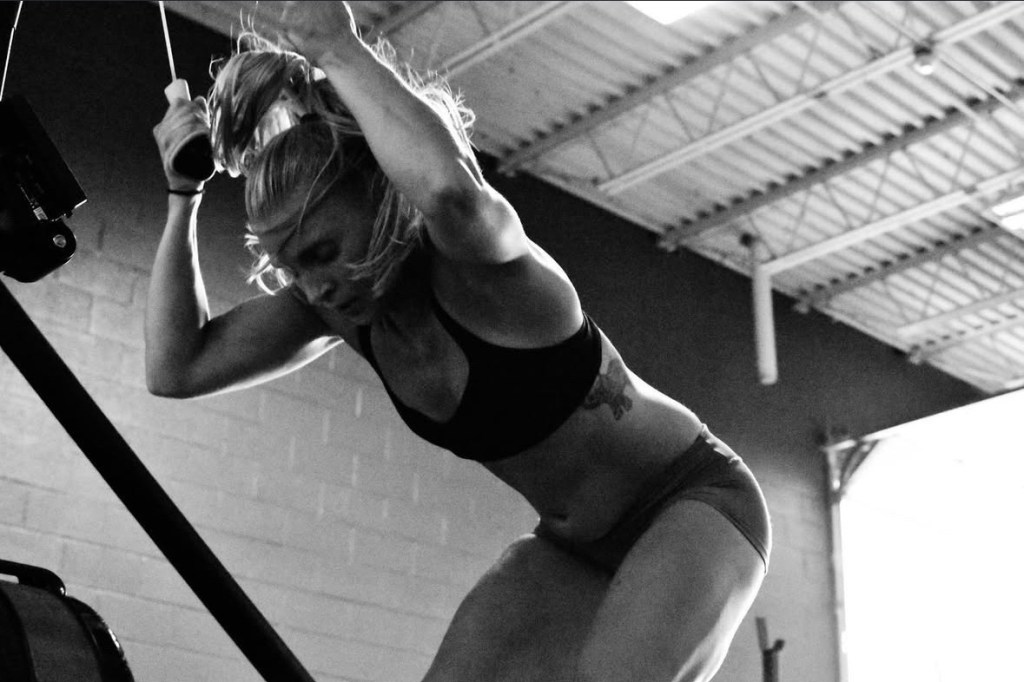
3. Hip Hinge, Not Squat: Drive handles down by hinging at the hips, then bend knees. Push hips back while crunching forward – think slamming a medicine ball.
4. Finish Strong: Pull handles alongside thighs, thumbs toward thighs. Arms extended but not locked; knees bent.
5. Controlled Recovery: Stand up, raise arms for the next stroke. Aim for a 1:2 drive-to-recovery ratio – powerful pull, smooth return.
For classic skiing variation: Alternate arms, keeping a bend in the pulling arm and engaging core/lats with each pull.
Tips for Improvement:
• Rise on toes at the start of each pull.
• Power from core and lats, not just arms.
• Keep motion fluid and continuous.
Common Mistakes to Avoid:
• Squatting instead of hinging – this reduces power and strains knees.
• Bending wrists or locking arms – keep them neutral.
• Rushing recovery – use it to breathe and reset.
• Not engaging core – leads to inefficient pulls and back strain.
21 SkiErg Workouts to Crush Your Goals
Now for the fun part – workouts! I’ve compiled 21 variations ranging from beginner-friendly endurance builds to advanced HIIT blasts. Most include a 5-10 minute warm-up (easy skiing) and cool-down. Adjust damper settings (1-10) based on feel – higher for strength, lower for speed. Always prioritize form.
1. Short-Rest Intervals: 10x (40s hard / 20s easy), optional second set after 3min break. Great for building speed.
2. SkiErg Pyramid: 1min hard/1min rest, up to 4min, then back down. Builds pacing skills.
3. 3-Minute Increasing Intensity: 3min pieces with 2min easy rest, ramping pace each time until maxed out. Tests limits.
4. 1000m x 3-5 Reps: Start comfortable, increase intensity. 2-3min rest. For endurance progression.
5. 4-3-2-1 and Reverse: 10min block (4min mod/3min hard/2min mod/1min max), 2min rest, then reverse. Built-in warm-up/cool-down.
6. 2×12 Minutes: First: 12x (20s easy/40s mod). Second: 12x (40s mod/20s hard). Warm up first.
7. 32-Minute Saw Tooth: 8x4min (2min easy/1min mod/1min hard). Continuous flow for steady burn.
8. 20 Rounds of 200m + Exercise: 200m ski, then alternate exercise (e.g., push-ups). Undefined rest for flexibility.
9. 1000m All-Out: Single sprint for max effort. Ideal for sprints events.
10. 30-Minute Steady: Continuous moderate pace for endurance building.
11. 30s On/30s Off: 10-40 rounds at set pace. Versatile for short/long training.
12. 12x100m Sprints: 1min rest. Full effort each, for speed work.
13. 5x1250m: 2min rest, hold or beat 5k pace. Use pace calculator.
14. Pyramid Distances: 100m-500m-100m with 30s rest. Total 2500m, consistent pace.
15. Half Marathon (21,097m): Steady long haul. Build up from shorter distances; hydrate well.
16. Kettlebell Calorie Alternator (Bonus): 3-30 calories ski alternating with swings (10 rounds option). Complements hip drive.
17. Steady Endurance Base: 10min warm-up + 3x10min at 70-80% effort, 2min easy between. Aerobic focus.
18. Race Simulation Intervals: 10min warm-up + 8x500m at race pace, 90s rest. Pacing practice.
19. Power Sprints: 10min warm-up + 10x30s max, 90s rest. Explosive training.
20. Pyramid Session: 10min warm-up + 250m-1000m-250m, 2min easy between. Negative splits.
21. Long Grind: 45min continuous at zone 2 (60-70% max HR). Builds mental toughness

!
 Gonzo Strength